Snagajob, Hiring Events
Snagajob, a hiring platform with 2 million+ hour job postings for full-time, part-time and shift roles, offer many tools to match qualified workers and employers in industries like retail, food service and hospitality. One of the largest pieces of feedback that we heard from our employer customer base was that they did not have enough time in the day to sift through piles of applications, set up individual interviews and call backs, while balancing their daily responsibilities at their businesses. They simply need reliable help without a lengthy hiring process.
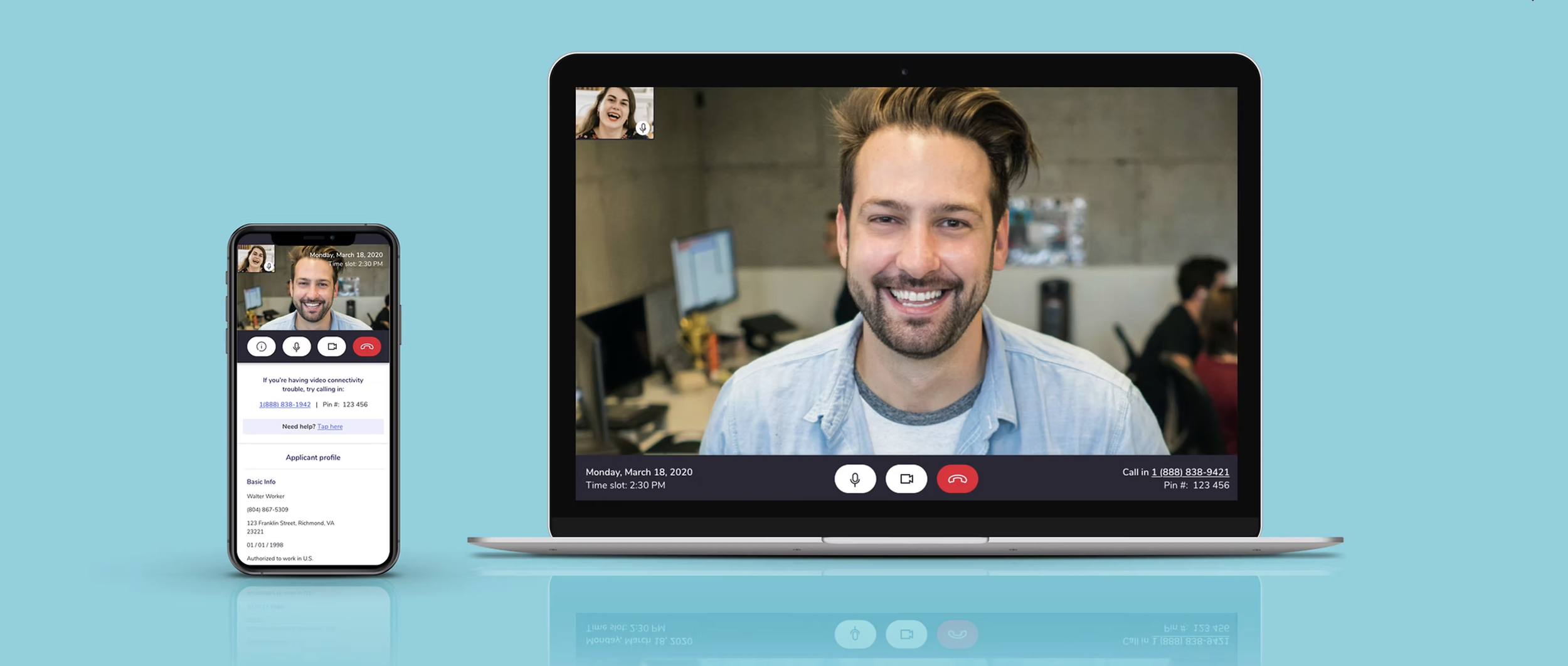
In February of 2020, I had just begun my new job as the Product Design Manager for the Employer Products at Snagajob. Three weeks later, the entire United States was facing a national emergency as Covid-19 was spreading globally. The nation was in the middle of economic unrest and many laid-off workers were in severe need of new employment opportunities. Large virtual meeting platforms such as Zoom, Microsoft Teams and Google Meet had not yet integrated scheduling or multi-conferencing into their product offerings. My first project was to start re-imagining how employers could hold large job events that would enable them to interview and hire multiple qualified candidates in a short amount of time.
By creating hiring events, Snagajob provided a way for employers to create time blocks where they could connect with workers as quickly and efficiently as possible. However, as Covid-19 raged on throughout the country, holding in-person hiring events would not be feasible. Virtual hiring would allow customers to hire safely and seamlessly by connecting employers to pre-screened and scheduled candidates, by video or by phone, right in our Marketing product.
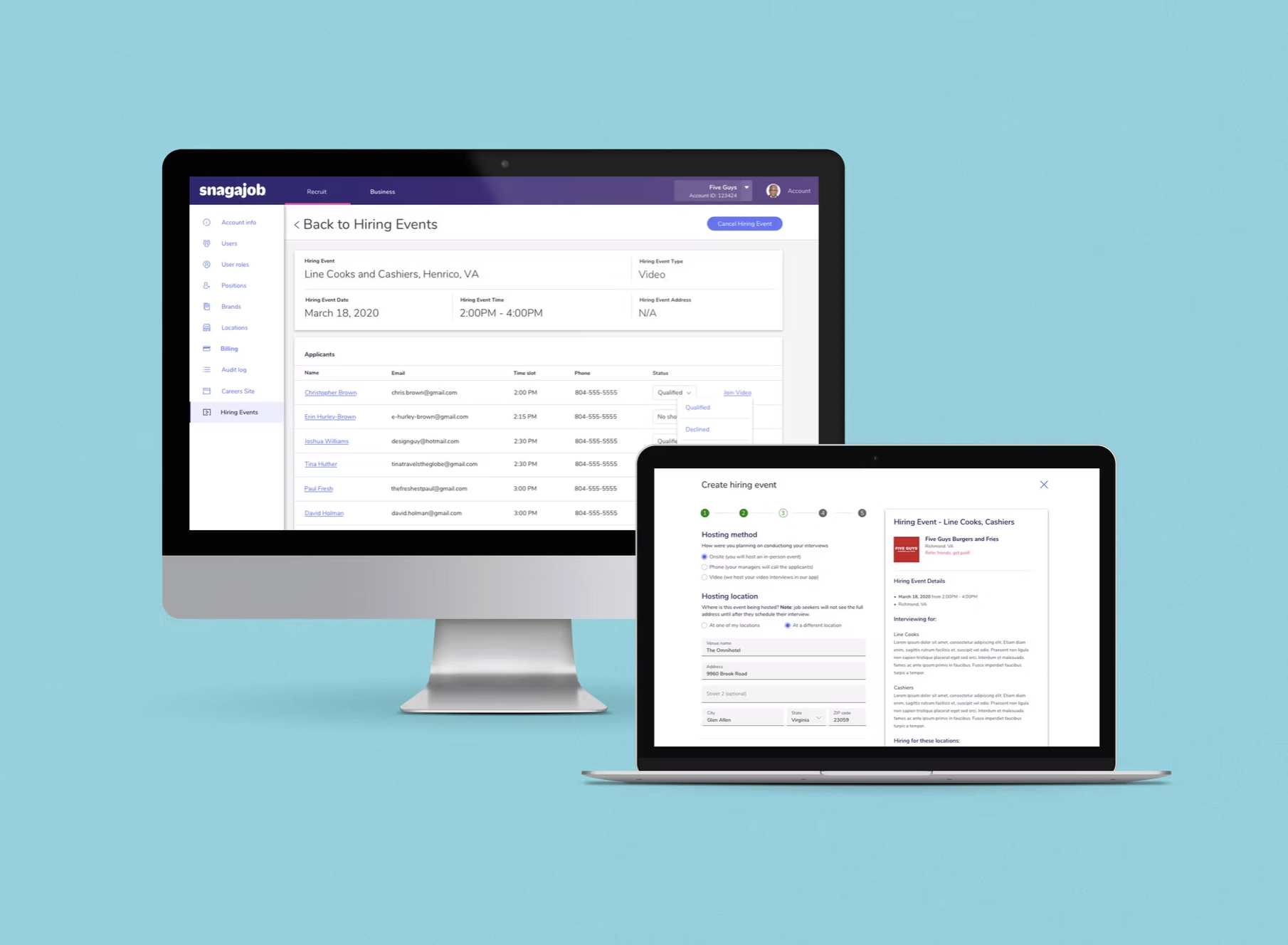
In order to make virtual hiring a reality, we partnered with Twilio, to create a video API. This virtual platform took the place of traditional mass hiring events and by the time we released our beta product, we had more than 1,400 interviews scheduled between employers and workers (with another 1,177 shortly after our beta period). Employers also saw a 15% - 20% increase in interview show rates through the hiring events tool. Read the entire Twilio/Snagajob partnership case study.
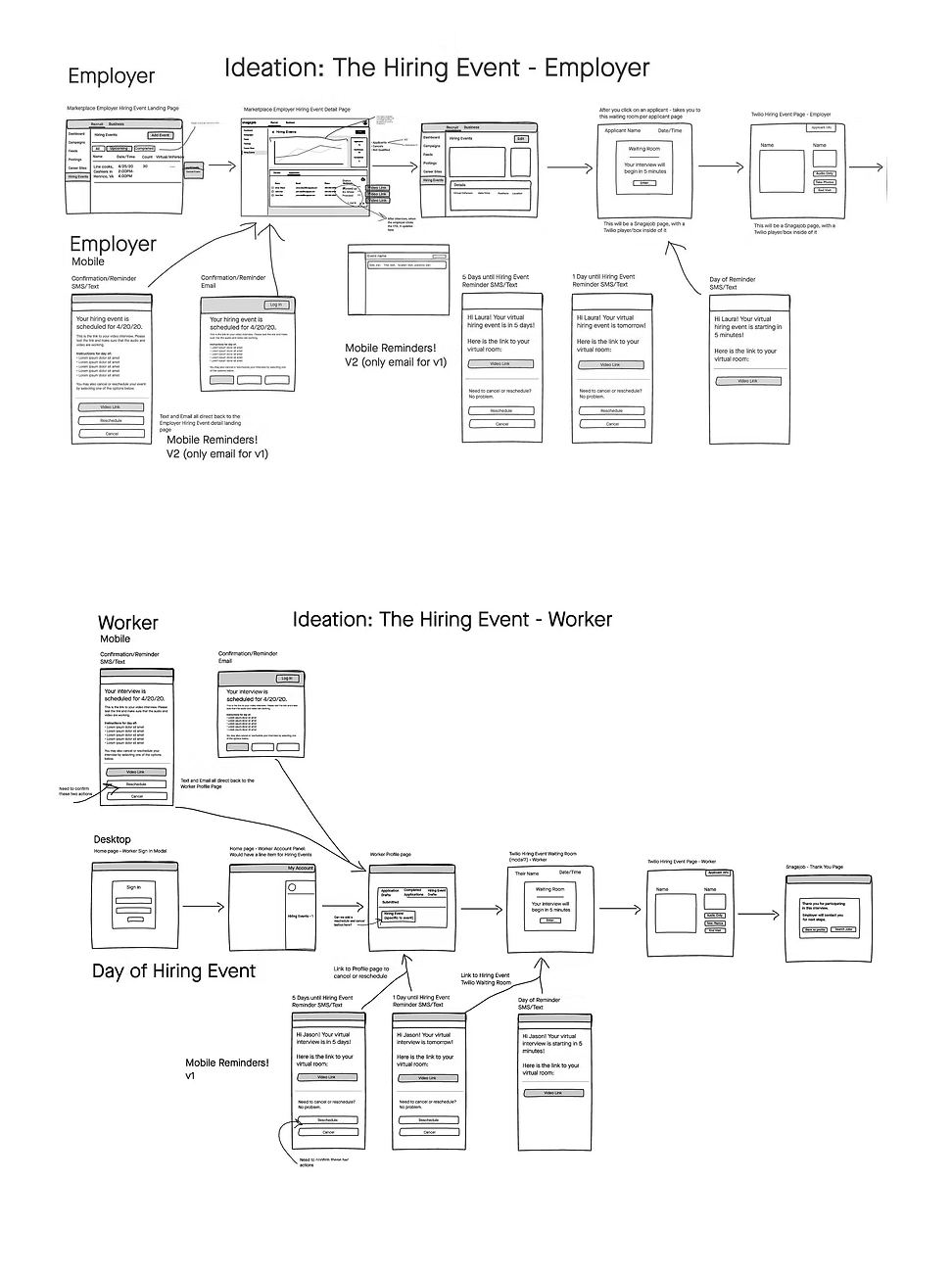
In just two and half short months, I had to familiarize myself with the Snagajob design brand guidelines, the company’s organizational and product structures, oversee all of our user experience software accounts and get to know my UX team and employees that I would be managing directly. My team was responsible for the complete ideation, design and build of hiring events from mid-March to it’s beta release in early June.
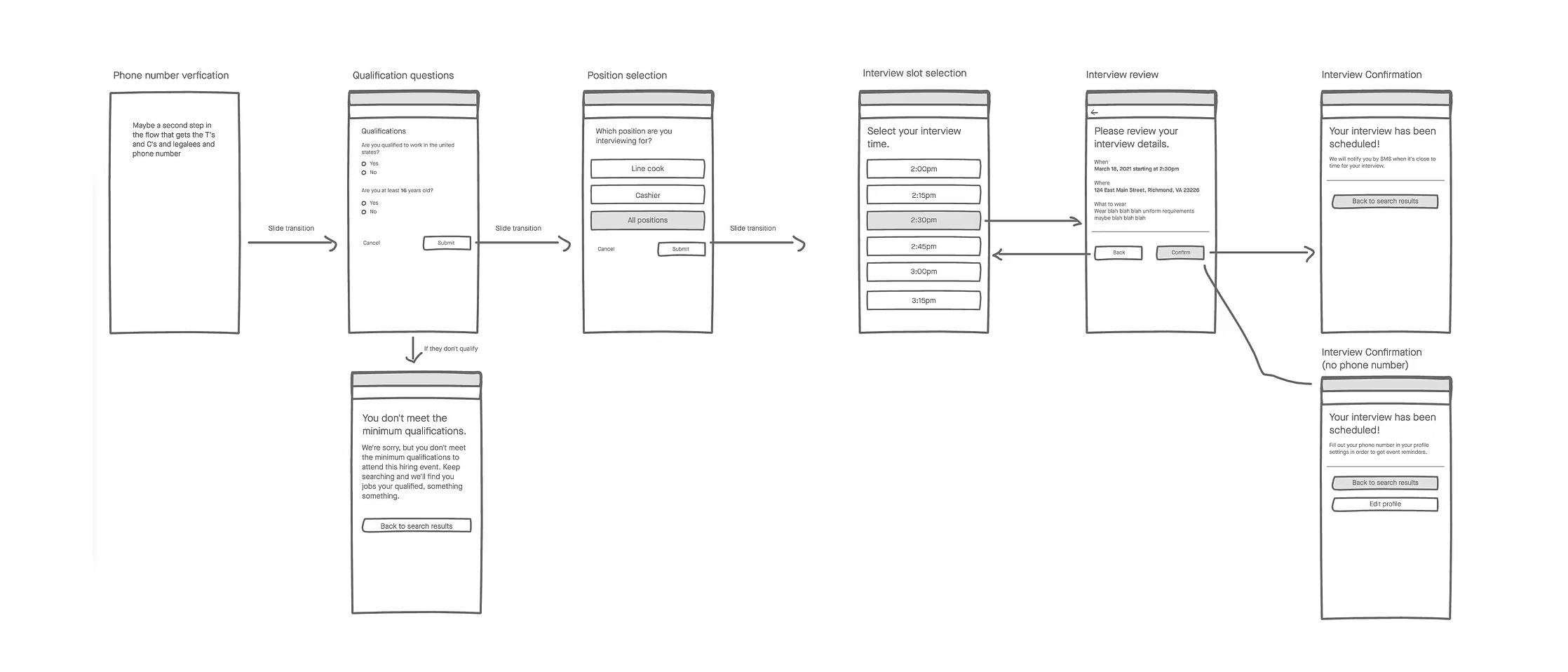
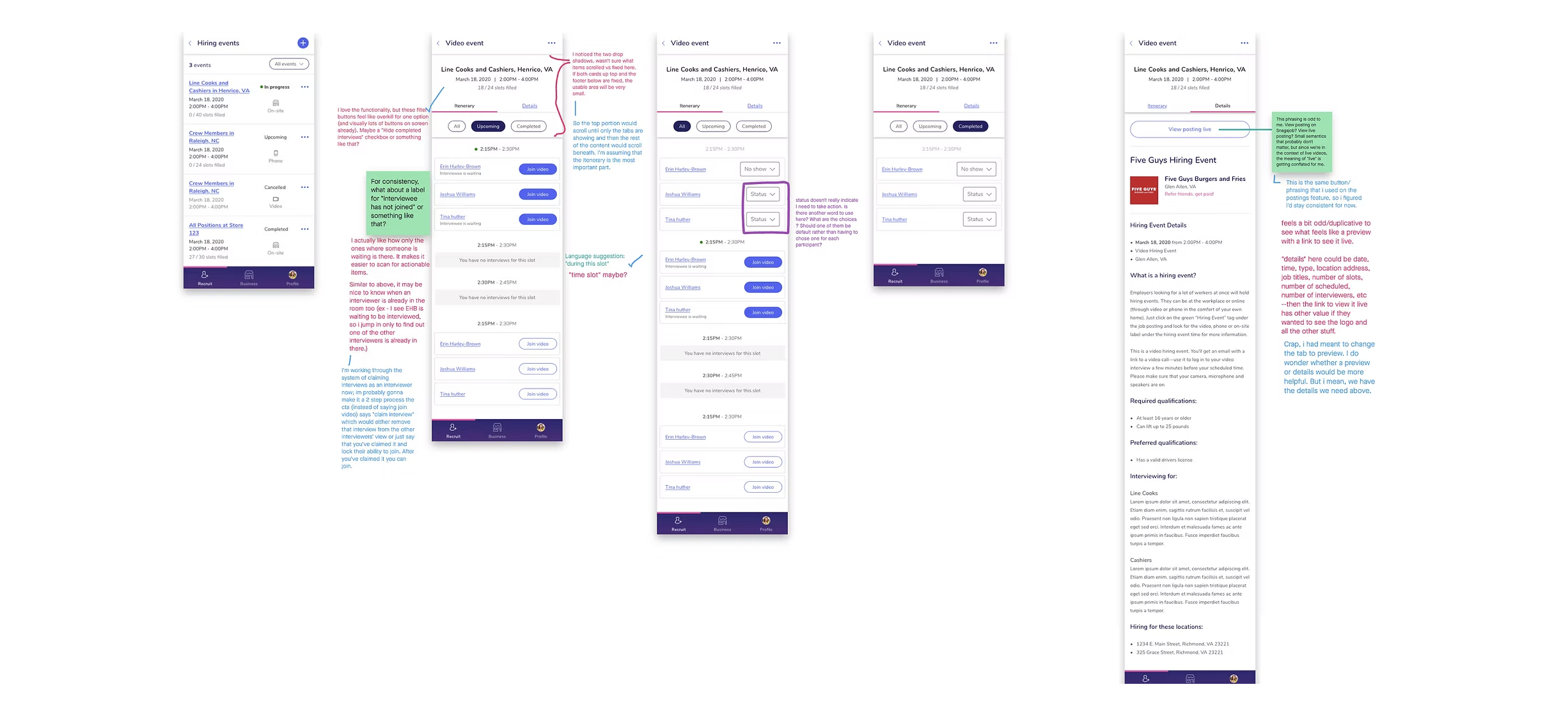
With the assistance of a junior designer, we managed to successfully brainstorm, sketch, design, test, validate and launch both the worker and the employer user experience by our June deadline. Freehand served as a vital tool for sketching out multiple iterations of user flows, as well as collaboration and sharing out to stakeholders virtually, as the entire company went remote. In order to meet our tight delivery deadline, designs leveraged existing product user flows, such as the current process for creating job postings, to create and schedule new hiring events.
Tools & Platforms
JIRA: was our project management tool, used to track the progress of our stories
Slack: used as a daily communications tool for the development and design team
Sketch: was used to create all wireframes, draft product designs and prototypes
InVision: was essential for sharing out clickable product prototypes to key stakeholders and during user interviews
UserTesting.com: for research and moderated user testing sessions on wireframes and new prototypes
Twilio Video: software integration for virtual interviews within the Snagajob platform for employers and workers